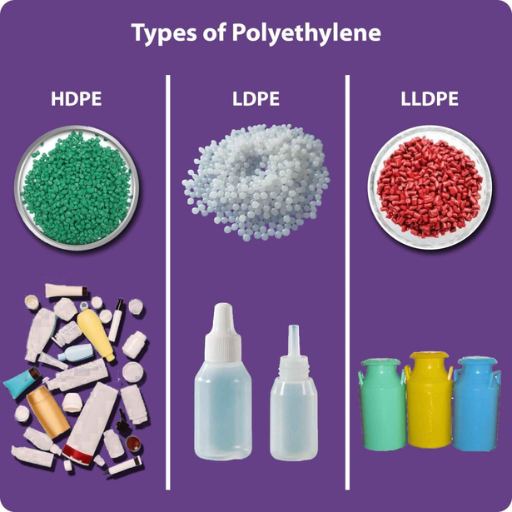
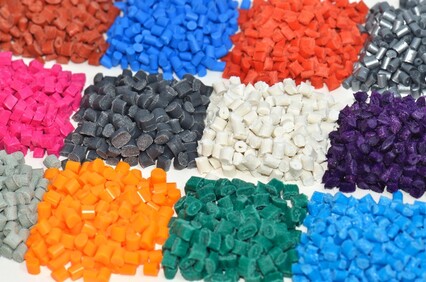
For HDPE pipe manufacturers, the resin decides almost everything – pressure rating, wall thickness, long-term strength and whether the pipe passes testing. The two most common pipe resin classes are PE100 and PE80. This guide explains the difference and what to check when you buy HDPE pipe grade granules.
What Do PE80 and PE100 Mean?
The number comes from the material's Minimum Required Strength (MRS) – the long-term hydrostatic strength the resin can withstand for 50 years at 20°C:
- PE63: MRS 6.3 MPa (older, now rarely used for pressure pipe)
- PE80: MRS 8.0 MPa
- PE100: MRS 10.0 MPa
A higher MRS means the pipe can carry the same pressure with a thinner wall, or a higher pressure with the same wall. That is why PE100 has become the standard for water mains, gas distribution and large-diameter pressure pipe.
PE100 vs PE80 at a Glance
| Parameter | PE80 | PE100 |
|---|---|---|
| MRS (50 yrs, 20°C) | 8.0 MPa | 10.0 MPa |
| Wall thickness for same pressure | Thicker | Thinner (less material per metre) |
| Slow crack growth resistance | Good | Better (bimodal resins) |
| Typical uses | Small-diameter water, irrigation, ducts | Water mains, gas, large-diameter and high-pressure pipe |
| Price per kg | Usually lower | Usually higher, but less kg per metre |
Because PE100 lets you reduce wall thickness, the cost per metre of pipe is often similar to or lower than PE80 even though the resin costs more per kg. Always compare on cost per metre at the required pressure class.
Technical Parameters to Check
- MFI: pipe grades have a low melt flow index, usually measured at 190°C / 5 kg (often in the 0.2–0.5 g/10 min range). Low MFI gives melt strength for thick walls.
- Density: natural pipe resins are roughly 0.945–0.955 g/cm³; black compounds are higher because of carbon black.
- Carbon black: black pipe compounds normally contain about 2–2.5% well-dispersed carbon black for UV protection. Dispersion matters as much as content.
- Oxidation induction time (OIT): an indicator of thermal stability and stabiliser content.
- Volatiles / moisture: high values cause voids in thick walls.
Indian Standards to Know
In India, HDPE pipes for potable water supply are manufactured to IS 4984, which recognises PE63, PE80 and PE100 material grades and pressure classes (PN ratings). HDPE pipes for sewerage follow IS 14333. Your resin supplier should be able to confirm that the grade is suitable for the standard you are certified to, and share the TDS and test certificate for each lot.
Natural Resin vs Pre-Compounded Black
Many large pipe plants buy pre-compounded black PE100 for consistency. Smaller plants sometimes buy natural resin and add carbon black masterbatch in-house. Pre-compounded material reduces dispersion risk and makes certification easier; in-house masterbatching gives flexibility but needs good dosing control and testing.
Can Reprocessed HDPE Be Used in Pipes?
Reprocessed HDPE should not be used for pressure pipes made to IS 4984. It is commonly used in non-pressure applications such as cable ducts, drainage and agricultural pipes where standards allow. See our guide on virgin vs reprocessed granules for more detail.
Buying Checklist for Pipe Manufacturers
- Confirm PE80 or PE100 and natural or black compound.
- Match the grade to your standard (IS 4984, IS 14333 or project specification).
- Ask for lot-wise test certificates: MFI, density, carbon black content, OIT.
- Plan volumes ahead – pipe-grade availability tightens during project season.
- Compare quotes on landed cost (rate + freight + GST), not ex-works rate alone.
For grade availability, see our HDPE granules page and the HDPE product page.
Get a Quote
Share the grade (or your current grade name), monthly quantity, delivery city and payment terms, and the Granil PolyTrade team will come back with today's rate and availability. Request a quote or register as a buyer.