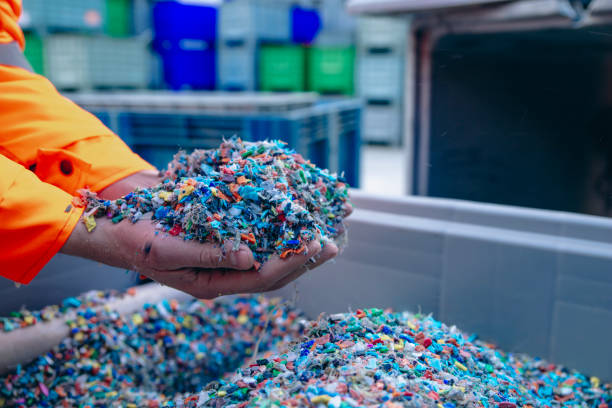
Nylon (polyamide, PA) is one of the most important engineering plastics, used in gears, bearings, cable ties, automotive parts and electrical connectors. The two most common types are Nylon 6 (PA6) and Nylon 66 (PA66). They look similar but behave differently. Here is how to choose between them.
What Is the Difference?
Nylon 6 is made from a single monomer (caprolactam). Nylon 66 is made from two monomers (hexamethylene diamine and adipic acid), each with six carbon atoms – hence "66". The different chain structure gives PA66 a more crystalline, tightly packed structure.
Nylon 6 vs Nylon 66 Comparison
| Property | Nylon 6 (PA6) | Nylon 66 (PA66) |
|---|---|---|
| Melting point | About 220°C | About 260°C |
| Heat resistance | Good | Higher |
| Stiffness and strength | Good | Slightly higher |
| Impact toughness | Slightly better | Good |
| Surface finish | Better, easier to get gloss | Good |
| Moisture absorption | Slightly higher | Slightly lower |
| Processing | Easier, wider window | Higher temperatures, narrower window |
| Typical price | Lower | Higher |
Typical Applications
Nylon 6 is widely used for general engineering parts, textile yarn, films, consumer goods, and parts where good surface finish matters.
Nylon 66 is preferred where heat and stiffness matter: automotive under-the-bonnet parts, radiator end tanks, electrical connectors and terminal blocks, cable ties and industrial yarn.
Glass-Filled Nylon
Both PA6 and PA66 are available with glass fibre (commonly 15%, 30% or 33% GF). Glass filling greatly increases stiffness, strength and heat deflection temperature, and reduces creep. Glass-filled nylon is used for brackets, fan blades, power-tool housings and automotive structural parts. Expect higher mould wear and fibre orientation effects.
Moisture: The Key Thing to Manage
All nylons absorb moisture. Before moulding, granules must be dried – typically around 80°C for 4–6 hours in a dehumidifying dryer to below about 0.2% moisture. Wet nylon causes splay, bubbles and loss of strength. After moulding, parts absorb moisture from air, which makes them tougher but slightly less stiff and changes dimensions – designers should allow for this.
Which One Should You Choose?
- Choose PA6 for general engineering parts, better surface finish, easier processing and lower cost.
- Choose PA66 for higher heat, higher stiffness and electrical/automotive parts.
- Choose a glass-filled grade of either when you need structural stiffness.
Buying Checklist
- Confirm PA6 or PA66, natural or black, filled or unfilled.
- Ask for the TDS: tensile strength, HDT, impact and moisture specification.
- For electrical parts, check flame rating and certificates.
- Check whether the material is prime, off-grade or reprocessed.
- Confirm packing (moisture-proof bags) and storage conditions.
See options on our Nylon product page, or compare materials with the Know Your Polymer tool.
Get a Quote
Share the grade (or your current grade name), monthly quantity, delivery city and payment terms, and the Granil PolyTrade team will come back with today's rate and availability. Request a quote or register as a buyer.